 23
Rooms available
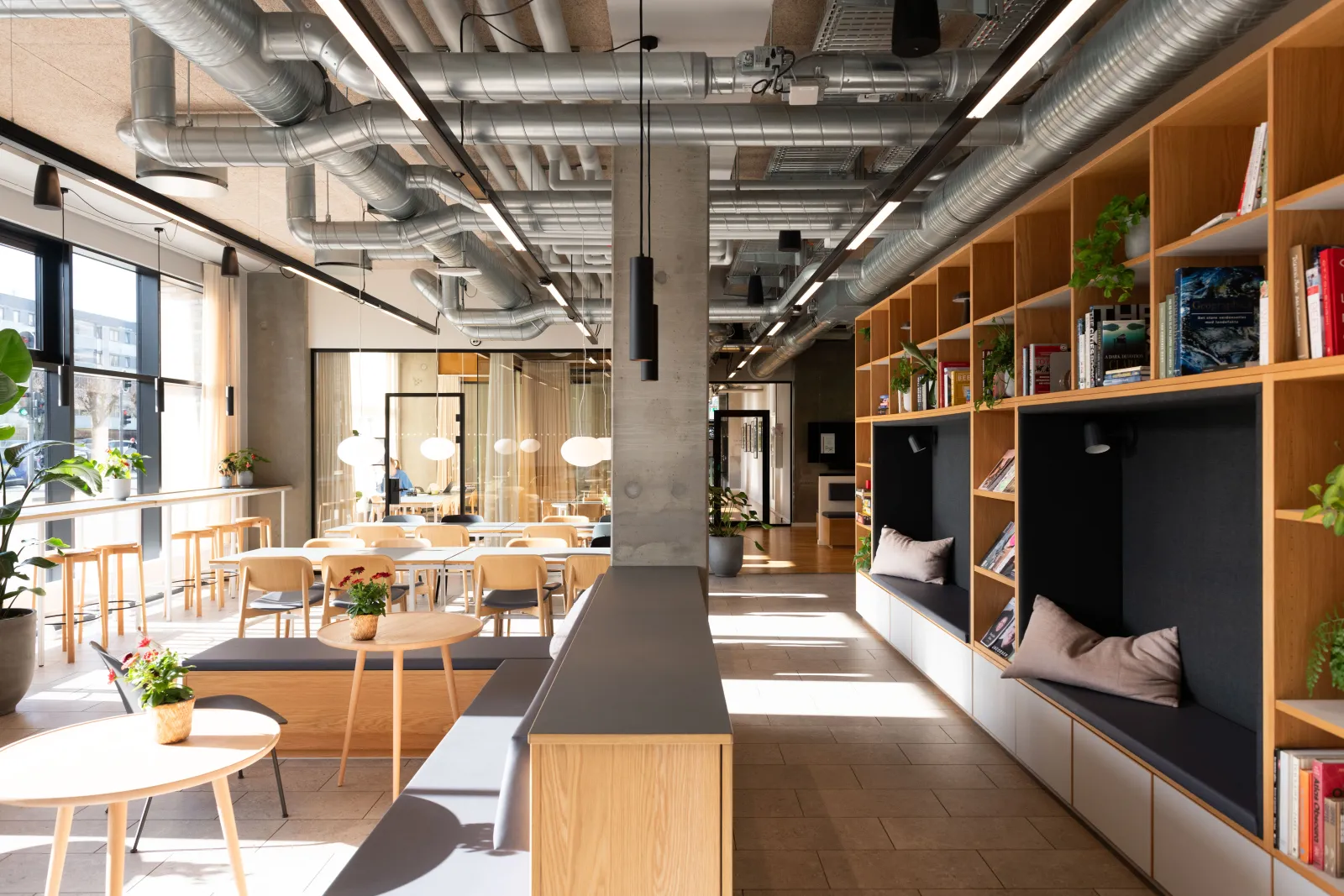
Canvas Amager
2.1 mi from centre2 room types
Bills clarity24h shortlist
- Laundry
- Study space
- Communal lounge
- Kitchen
Rooms available
From
kr 7.850/month
Stays listed
3
From
kr 7,850/month
Universities
3
Avg response
< 2h
3 places in Copenhagen
23From
kr 7.850/month
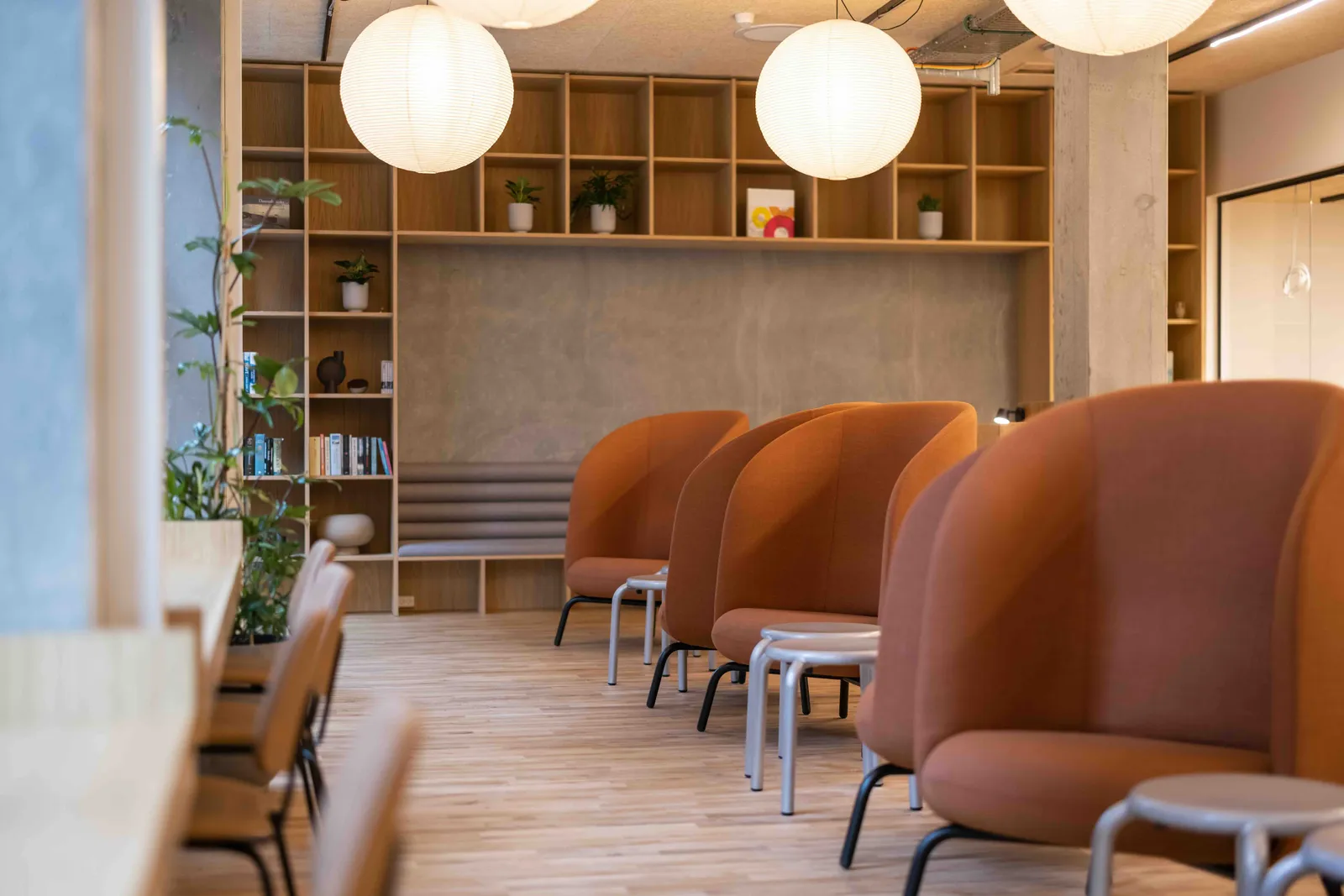 34
From
kr 8.350/month
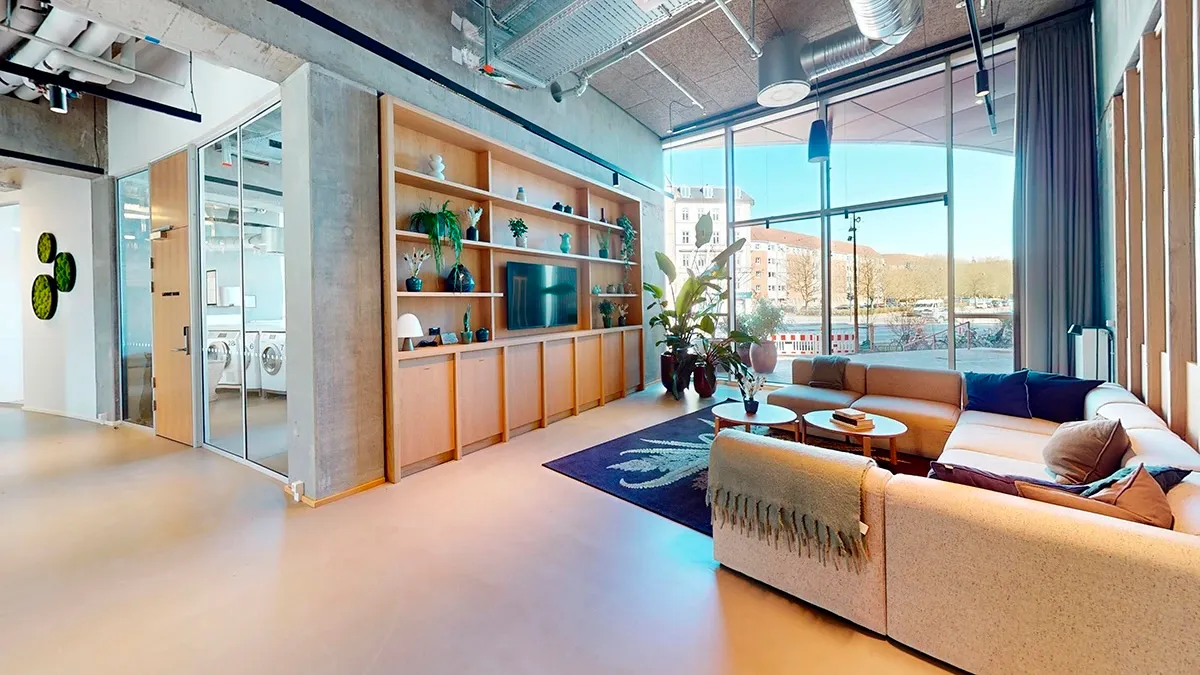 38
From
kr 8.800/month
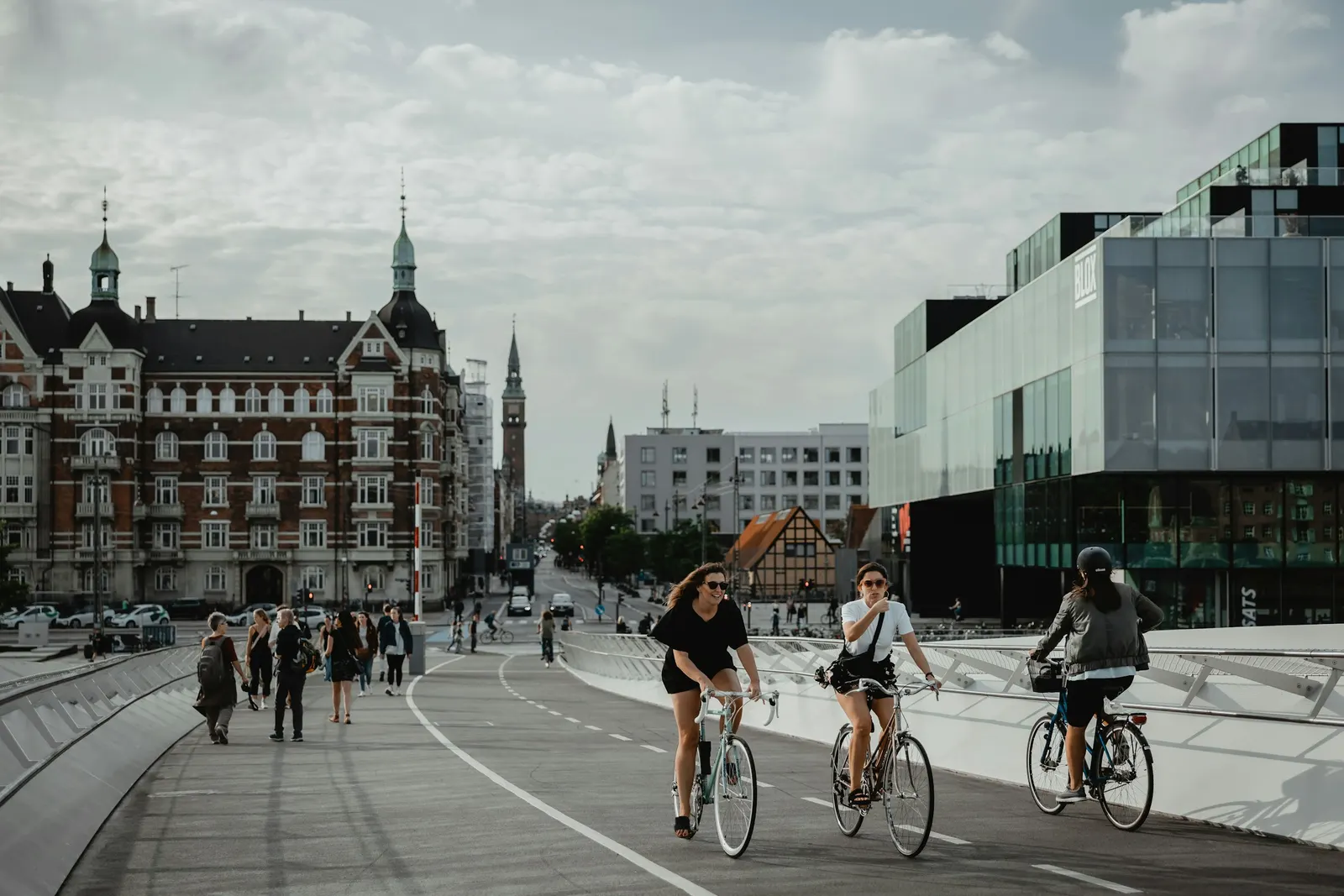
Copenhagen is the city where cycling won. More people commute into the centre by bicycle than by car, the lanes are wide and separated and gritted in winter, and a student here will almost certainly own a bike within a week of arriving. The harder truth is the housing: Copenhagen has a long-standing shortage, the municipal and foundation-run student residences operate waiting lists measured in months, and the private market is expensive. Start earlier than you think you need to, and put your name on every list you qualify for.
Nørrebro is the district most students end up in, north west of the centre, dense and mixed with the Superkilen park and a good deal of the city's cheaper food. Østerbro is north east, calmer and more family-oriented, with the lakes and the Fælledparken, and generally dearer. Vesterbro sits west of the station, formerly rough and now one of the busiest places to eat and drink, with prices to match. Amager, south across the harbour, holds the University of Copenhagen's south campus, the IT University and the metro, and is where a lot of the newer purpose-built rooms are. Frederiksberg is a separate municipality inside the city, green and expensive, with the business school. Valby and Sydhavn are further out and the best value within a sensible ride.
Room types, what bills included really covers, when to book, and what to check if you are arriving from abroad.
A kollegium room can be the best-value student option, but waiting lists and eligibility rules differ. Shared flats give more choice across Nørrebro, Amager and the outer districts, while private studios are simpler to secure only if the budget allows.
Check whether the address can be used for CPR registration, whether furniture and utilities are included, and how far the door is from your campus by bike in winter as well as summer.
MoJO currently lists 3 Copenhagen student stays, with published prices from kr 7,850/month. Compare monthly rent with the deposit, prepaid rent, utilities, laundry and transport. Danish move-in costs can make the first payment much larger than one month's rent.
Get the address, room size, contract period, registration position and notice rules in writing. Never transfer money because a competitive market has created artificial urgency; verify the landlord or operator and the room first.
Copenhagen's student population is anchored by University of Copenhagen, Technical University of Denmark, and Copenhagen Business School. When choosing student accommodation in Copenhagen, most students prioritise the walking-distance or single-transfer commute to their own department, since it saves 60 to 90 minutes a day on lectures, labs, and evening study.
On each Copenhagen property page you will see the exact minute count to nearby universities and whether the campus is served by direct public transport. If you already know your university, filter by it before comparing rooms, it saves a lot of back and forth.
The best areas for student accommodation in Copenhagen include Nørrebro, Østerbro, Vesterbro, Amager and Islands Brygge, and Frederiksberg. Each has a distinct mix of student housing, cafes, supermarkets, and public transport connections, so the "best" area really depends on which university you attend and what kind of neighbourhood you want to live in.
If you are new to Copenhagen, aim for neighbourhoods with a high student population and good late-night public transport. Areas near your university's main campus are safest for evening walks home and mean you can lie in for 9 AM lectures.
The cost of student accommodation in Copenhagen typically starts from kr 7,850/month, and rent is usually the single biggest line item in a student's budget. Beyond rent, students in Copenhagen typically budget for groceries, public transport, mobile data, and social spending.
If Copenhagen rents feel steep, it can be worth comparing with cities like Paris and Dublin: the same weekly budget often stretches further, and some Denmark universities have satellite campuses across multiple cities.
Comparing options? These are the other cities in Europe where most students on our shortlist are basing themselves.
Plan around the bicycle first. The lanes are continuous, the city is flat, and almost everywhere above is within twenty minutes of the university on two wheels. The driverless metro runs all night, the S-tog covers the suburbs, and both work on the Rejsekort or the DOT app, with a youth card if you qualify. The harbour buses count as public transport and are a pleasant way across the water. Copenhagen Airport is fourteen minutes from the centre on the metro, and the bridge to Malmö in Sweden takes about thirty five minutes, which is worth knowing because Swedish rents on that side are lower.
Prices and availability on this page were last checked on . Rooms and rents change often, so confirm both with the operator before you pay anything.